
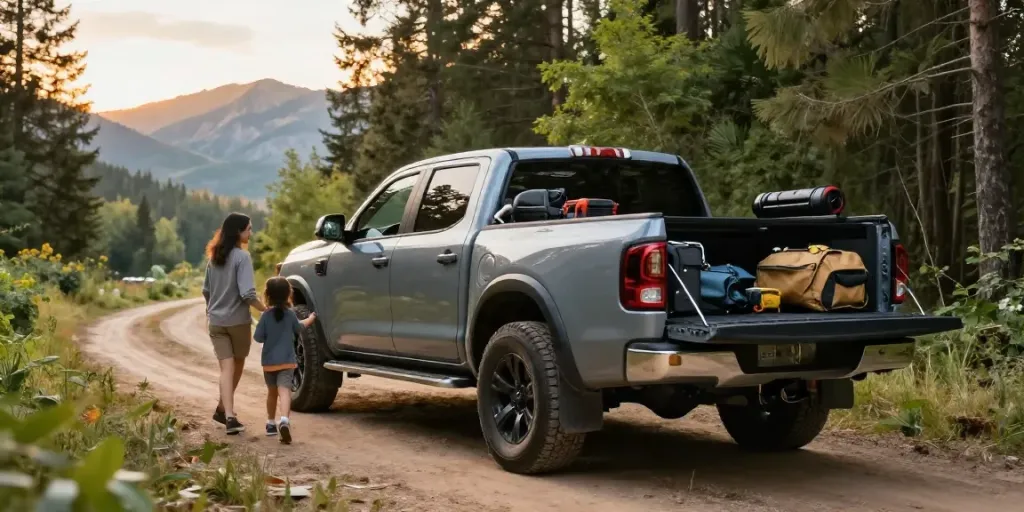
Understanding the Importance of Running Boards for Trucks
When it comes to enhancing your truck's functionality and aesthetic appeal, running boards are a popular choice among truck owners. They not only provide safe access to the truck cab but also add an element of style, making your vehicle look more rugged and complete. Whether you are driving a lifted pickup or a standard model, these essential accessories can significantly enhance your driving experience.
What Are Running Boards and Their Benefits?
Running boards are side steps that are mounted along the lower sides of trucks, SUVs, and vans. Their primary purpose is to allow easier entry and exit for passengers, especially in taller vehicles. The benefits of installing running boards include:
- Easier Access: Reducing the step height helps passengers, especially children and elderly individuals, to get in and out of the vehicle with confidence.
- Enhanced Safety: The added surface provides a more stable footing, minimizing the chances of slips and falls.
- Protective Features: Running boards can protect the lower body of your vehicle from road debris, mud, and snow, preserving its aesthetic and structural integrity.
- Style Upgrade: With a variety of designs and finishes, running boards can enhance your truck's appearance and make it stand out on the road.
Key Features of Quality Running Boards
Choosing the right running boards involves understanding their features. Here are some key aspects to consider:
- Material: Common materials include aluminum and carbon steel, each offering different advantages in terms of weight, corrosion resistance, and load capacity.
- Length and Fit: Running boards come in various lengths to fit different cab configurations. It's crucial to measure your truck accurately to ensure a perfect fit.
- Weight Capacity: Ensure that the running board you select meets the weight requirements for your passengers and any gear they may carry.
- Design: Options range from flat designs for maximum surface area to tubular styles that offer a sleek, modern look.
Common Misconceptions About Running Boards
Despite their popularity, several misconceptions about running boards persist. Here are a few clarifications:
- Misconception 1: Running boards are only for larger vehicles. Truth: They can be beneficial for any vehicle with a higher ground clearance.
- Misconception 2: They are purely decorative. Truth: Running boards serve functional purposes that enhance safety and accessibility.
- Misconception 3: Installing them voids the vehicle's warranty. Truth: Most running boards are designed to install without altering the vehicle’s body.
Choosing the Right Running Boards for Your Truck
Selecting the most suitable running boards for your truck involves considering several options and preferences to ensure that they meet your specific needs.
Aluminum vs. Carbon Steel: Which Is Better?
When deciding between aluminum and carbon steel, it’s essential to weigh the pros and cons:
- Aluminum: Lightweight, resistant to rust and corrosion, making it suitable for various climates. It's a popular choice for those looking for easy installation and lower weight.
- Carbon Steel: Generally more robust and durable, but may require regular maintenance to prevent rust, especially in harsh conditions.
How to Measure for Proper Fitment
Before purchasing running boards, measuring your truck accurately is crucial. Follow these guidelines:
- Measure the distance from the front of the cab to the rear of the cab, consider the truck’s style.
- Check the height of the truck to ensure the running boards will be accessible.
- Consider the vehicle's wheelbase and door configuration, as these can impact the length of running boards needed.
Popular Styles and Designs for Modern Pickups
Modern pickups offer a wide variety of running board designs to match different aesthetics and functionalities:
- Flat Running Boards: Provide a broad stepping surface, great for easy access.
- Step Bars: Slimmer, tubular designs that offer a sporty look while still being functional.
- Powered Running Boards: These automatically deploy when the door opens, providing a sleek appearance and added convenience.
Installation Tips and Best Practices
Installing running boards can be straightforward if you follow some essential tips and guidelines.
Step-by-Step Installation Guide
- Gather the necessary tools: You'll typically need a socket set, a drill, and possibly a torque wrench.
- Read the installation guide carefully to understand specific requirements for your running boards.
- Align the mounting brackets to the vehicle’s body according to your measurements.
- Secure the brackets tightly, ensuring that they are safely fastened to avoid any movement.
- Attach the running boards to the brackets and verify their stability.
Tools Needed for Installation
Common tools needed for installing running boards include:
- Socket wrench set
- Drill with bits
- Torque wrench (for specific final fittings)
- Screwdrivers (flat-head and Phillips)
Common Installation Mistakes to Avoid
To ensure a smooth installation, avoid these common mistakes:
- Not double-checking measurements before installation.
- Over-tightening screws, which can damage the running board or the mounting brackets.
- Installing without proper support; always ensure that the vehicle is on a flat surface.
Maintaining Your Running Boards for Longevity
Regular maintenance can help extend the life of your running boards and keep them looking new.
Cleaning and Care Tips for Different Materials
Depending on the material of your running boards, cleaning methods may vary:
- Aluminum: Wash with mild soap and water to prevent corrosion.
- Carbon Steel: Regularly check for rust and repaint as necessary to maintain its integrity.
Preventing Rust and Damage in Harsh Conditions
In Canada, where winter conditions can be harsh, protecting your running boards from rust is crucial:
- Apply a protective sealant after washing.
- Consider rust-proofing spray for added defense.
- Regularly inspect for wear and damage, especially after harsh weather.
When to Replace Your Running Boards
If you notice significant rust, cracks, or instability in your running boards, it may be time for a replacement. Regularly inspecting your running boards will help you determine when they need to be replaced to ensure safety and functionality.
Emerging Trends in Running Boards for 2026
The running board market continues to evolve with innovative designs and technologies aimed at enhancing user experience and vehicle integration.
Innovative Designs and Features to Watch
In 2026, expect to see:
- Smart Running Boards: Integrated lighting and sensors that enhance safety and visibility.
- Customization Options: More brands are offering customizable designs to match the unique style of individual trucks.
Eco-Friendly Materials and Manufacturing Practices
With increasing awareness around environmental issues, manufacturers are exploring eco-friendly materials and practices, including:
- Recyclable aluminum and steel options.
- Using sustainable production methods to reduce carbon footprint.
The Future of Integration with Vehicle Technology
Future running boards may integrate with vehicle technology, offering features such as:
- Automatic deployment based on proximity sensors.
- Linking with vehicle diagnostics to alert users of maintenance needs.
What is the purpose of running boards?
The primary purpose of running boards is to provide safe and easy access to the cab of a truck or SUV, particularly in taller vehicles.
Who makes the best quality running boards?
Quality can vary by brand; however, brands like LAXPARTS, Westin, and Rough Country are well-regarded for their durable and stylish running boards.
Are running boards a good idea?
Yes, running boards are an excellent addition, providing safety, convenience, and enhancing the overall value of your vehicle.
How difficult is it to install running boards on a truck?
With the right tools and instructions, installing running boards is typically straightforward and can often be completed in a few hours.
What factors should I consider when buying running boards?
Consider material, size, weight capacity, and whether you prefer a specific design that matches your truck's aesthetics.